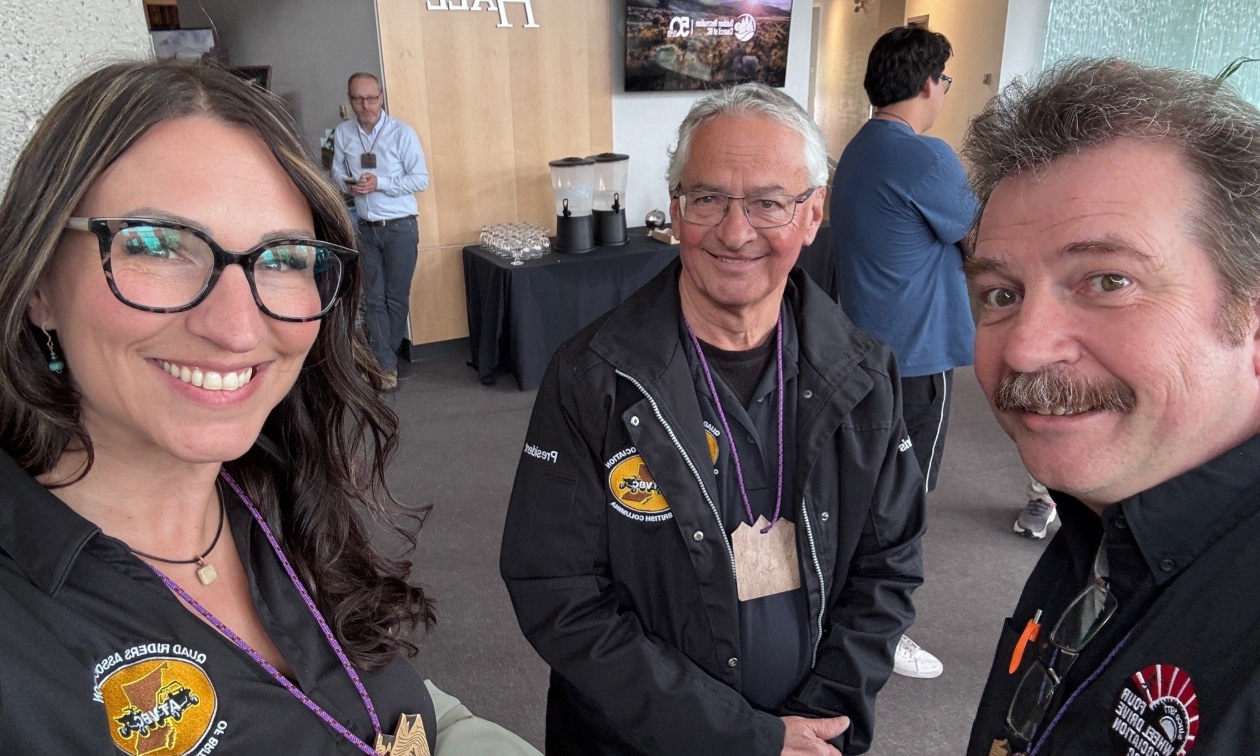
When Kristin Parsons stepped into the role of Executive Director for the Quad Riders Association of British Columbia (ATVBC) in 2022, she knew the road ahead would require a sharp focus on advocacy, safety, and community growth. Over the last four years, the motorized recreation landscape in B.C. has faced significant shifts, from critical land-use and access debates to the vital need for younger generations to step up and preserve the trail systems built by a dedicated, aging volunteer base. Under her leadership, ATVBC has firmly established itself as a powerful, respected voice at government tables, championing the rights of off-road vehicle (ORV) enthusiasts while simultaneously expanding safety initiatives and pioneering regional ORV tourism frameworks across dozens of B.C. communities.
As Parsons prepares to transition her advocacy efforts to focus on her role with the BC Powersports Dealers Association, she looks back on the triumphs, the ongoing hurdles, and the profound dedication of the riders who keep B.C.’s backcountry accessible. We caught up with Parsons to discuss the evolution of ATVBC, the critical fight against silent trail closures, and her vision for the future of the province's powersports community.
Since stepping into the role in 2022, what accomplishments are you most proud of?
I would say our strategic plan and the steps we have taken to strengthen the organization's governance and the work we have done to bring ATVBC to the table with the government on important land management and access discussions. Also our safety program has evolved a lot in the last few years with the addition of our safety training program, dealer safety kit program, and club supports including first aid training for club ride leaders.
How has the organization evolved since you took on the role?
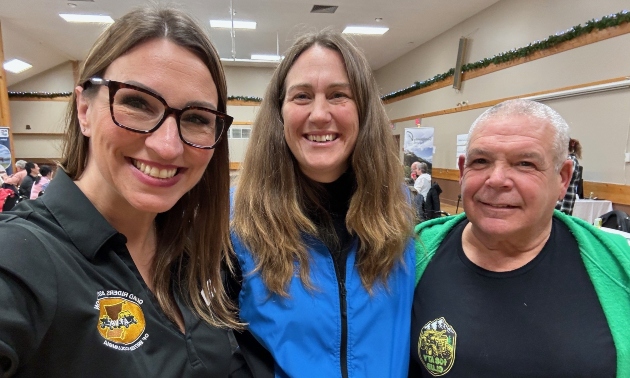
Over the last few years there has been a strong focus on building relationships at all levels of government and across industries that are affected by or engaged with motorized recreation. We have grown our reputation and status as the voice of ORV riding in BC. We are recognized as the advocate for ORV land access and are invited to participate at key discussions around land planning and access. We have grown our involvement/leadership in the BC Powersports Coalition, working with the coalition members to bring our joint concerns to the government on various issues. This coalition represents all motorized outdoor recreation and as we work together we share common struggles and successes.
What surprised you most about the job once you started?
The lack of understanding people had for what ATVBC does and how important this work is for the future of our riding. Without a voice to represent us, we are at risk of losing a lot of our riding areas and along with that would be the loss of volunteers who work to maintain these trails for all users.
Membership growth was a big focus early on—how has that trajectory continued?
We have continued to work on our membership growth and retention strategies to build our membership and have had some success on various programs but the big focus now is engaging the younger generations and families to work with our clubs to create a sustainable future. As our volunteers age, they need more younger generations coming up behind to fill those gaps and take on the work of the trails. Our average age of our members is still around 67 years old. We need the younger generations to step up and help us to build and maintain the trails we all love to ride. Clubs have gotten more creative in how they engage with new members as well, offering training for youth and families, more ways to volunteer etc.
Have you noticed any shifts in who is joining ATVBC or how people are using their machines?
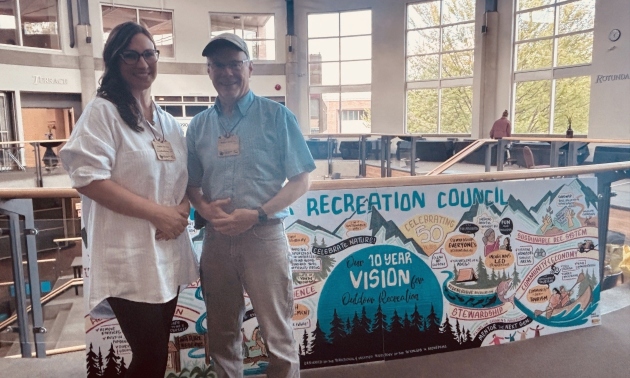
We are seeing with the increase in land closures that more members are joining to support our advocacy efforts which is a large part of what ATVBC does and is dependent on the support of members. We are seeing more families joining that are looking for a safe club experience to show them where to ride and build that camaraderie. We are also getting a lot of requests for multi-trip riding experiences, similar to what is available in the US. People want to get out into the backcountry and explore entire regions similar to the Island 1000 route, however we just don’t have the ORV access in place to allow for this type of riding, YET!! We have been working on ORV Tourism opportunities over the last four years and are now working with over 37 communities who are working with the MV1815 permits and local bylaws to allow ORV access off the trails and into the communities. The next step is to link these communities together in regional rides to build a bigger opportunity for the riders and the communities.
You mentioned new land access agreements on Vancouver Island back in 2022—what progress has been made since then?
Our island clubs are working directly with Mosaic now to allow for riders to access their lands through a pass system that the clubs manage. This has been a great relationship for the island clubs and riders and Mosaic works with the clubs to renew their agreements each year!
What are the biggest land‑use or access issues ATVBC is currently working on?
We have many areas around the province that are struggling with trail closures, FSR closures and high value recreation assets being shut down due to the government's lack of resources to support the trails or ministries like forestry that are looking to reduce their liability for the infrastructure on FSR’s. Every one of these areas has one very similar issue, lack of engagement with impacted stakeholders and a lack of transparent processes. We are asking to create a process for deactivations that includes recreation values, tourism and community needs. The government is making decisions on the land base without “meaningful” engagement with the communities that are affected. Solutions are available and offered but so often we are being ignored. Right now we have two examples of this in the West Kootenay that is affecting not just our riders but community members, land owners, many other outdoor recreationalists and industries like mining, hunting, fishing, etc. This example is sadly not the only one, we have many like this around the province where ministries are working in silos and not willing to hear our concerns or bring solutions.
What major projects or initiatives has ATVBC launched recently?
We launched our safety program in 2024 which brought new ATV/SXS safety training opportunities to our members, this also expanded in 2025 with our youth and Indigenous training program and our upgraded dealer safety kit program is now delivering 1,000 safety kits to new riders around the province each year.
What continues to inspire you about the ATV community in B.C.?
The genuine passion that our riders have for the trails and the right to access our lands. The work on the trails can be very physical and yet most of our volunteers are seniors and they will stop at nothing to make sure the trails are in the best shape not just for their clubs but for ALL users. Their dedication and determination is admirable.
What are your goals for the future of the organization?
I would like to see ATVBC continue to build on the relationships we have made within the industry and in the government to continue our work on ORV Tourism and access solutions. In particular I have three goals:
- Complete changes to the ORV act to allow for communities to administer the permits/program to bring ORV tourism into their communities.
- Creation of a provincial framework for deactivation processes that includes recreation values and engagement protocols.
- The creation of a user pass system to bring important resources to the clubs and associations that are maintaining the trails and advocating for the right to ride.
Is there anything else you would like to add?
I have stepped away from ATVBC as of July 1st and I am increasing my time with the BC Powersports Dealers Association, where I can address many of these important issues that also directly affect the powersports businesses that fuel our industry. I hope to continue my advocacy work through this lens of economic impacts, tourism opportunities and community prosperity and help to build a stronger industry for both the powersport businesses and the riders they support. I am very proud of the work of my team at ATVBC, over the last 4 years we have accomplished so much and while there is still so much more to do, we have a solid foundation to continue this important work!




Comments