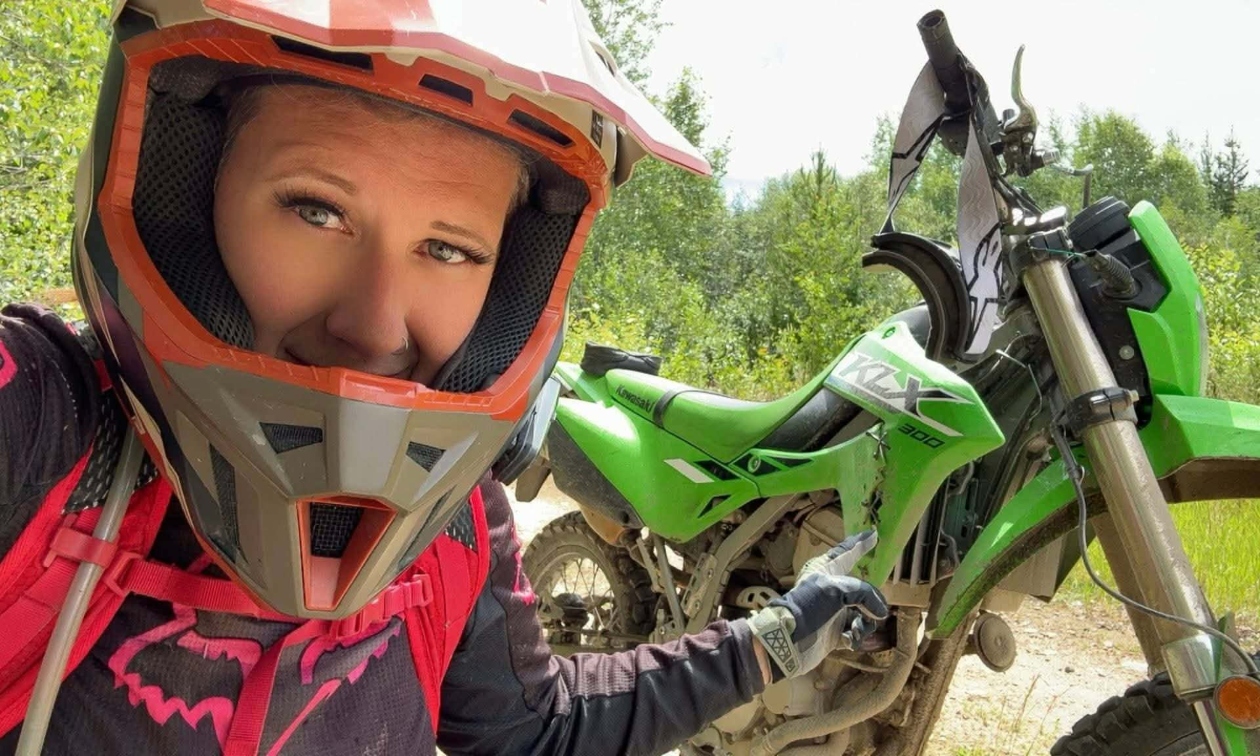
Some riders grow up in the saddle. Others find their way to it later in life—and sometimes that makes all the difference. Cindy Young didn’t come from a motorsports background, and she didn’t follow a traditional path into riding. Instead, she built her skills from the ground up, starting with quadding and snowmobiling before discovering motorcycles at 45. What began as curiosity quickly turned into commitment, and eventually, a complete shift in direction that would reshape both her career and her lifestyle.
In just a few short years, Cindy went from learning to ride on the street to crossing countries by motorcycle, diving into off-road training, and ultimately stepping into leadership roles with WeRoam Moto Expedition Club. Today, she guides and coaches other riders—many of them women who are standing exactly where she once stood. In this Q&A, Cindy shares how she learned quickly, overcame self-doubt, and turned a late start into a fast-moving career in adventure motorcycling, along with the lessons she now passes on to others on the trail.
Can you tell us a little about yourself, what motorsports you're into and what inspired you to start?
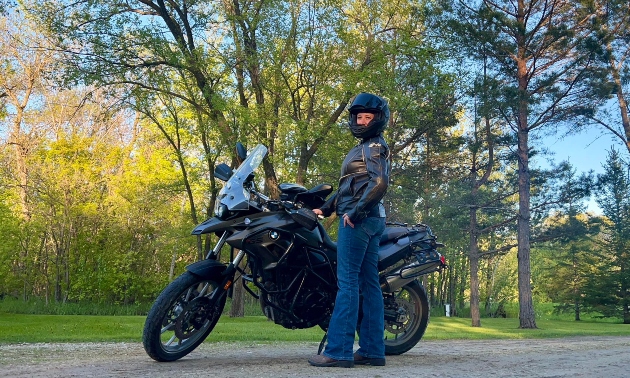
I was born and raised on a small acreage just outside of Winnipeg. I still live in my family home today and it’s where I’ve built my life. Motorsports wasn't something I grew up around. This wasn’t a family tradition or something that was handed down to me, it’s something I chose for myself. As an only child, I was independent early on. I was driving our riding lawn mower before I was 10, figuring things out as I went.
Years later, I was introduced to quadding and immediately loved the freedom of it. Snowmobiling came next, almost 25 years ago now, and before long I had my own. But motorcycles were different. I didn’t start riding until I was 45, which I think surprises people. There’s this idea that you have to start young, or that it’s too late at a certain point, but that couldn’t be further from the truth. I still remember my first ride, on the back of my now boyfriend's Goldwing, telling him he was creating a monster. And I wasn't wrong!
You went from having no off-road experience to leading training camps—what made you say yes to that first opportunity?
It really came down to two paths colliding at exactly the right time. In my first year of riding, I put on nearly 30,000 kilometres, through three different countries, but knew I was missing a piece. I wanted the skills and confidence to ride off-road and join my boyfriend on his adventures. So last spring, I bought my first dual sport and made the decision to focus on learning dirt for the summer. At the same time, my career was shifting. I had built a career in HR and truly loved what I did, but when the company was sold, it brought a new corporate structure and environment that just didn’t feel like the right fit for me anymore. Then, on a bike trip from San Francisco to Winnipeg at an Applebee’s in Walla Walla, Washington, I received an email from WeRoam Moto Expedition Club. They were hiring for their Off-Road Moto Training Camp in BC. The timing couldn’t have been more aligned. I was already looking for a way to grow my off-road skills, and suddenly there was an opportunity to fully immerse myself in it, while stepping away from a path that no longer felt right. I didn’t overthink it. I said yes. Four days later, I had the job, and two weeks to pack up my life. Sometimes the biggest opportunities show up when you’re already in motion, you just have to be willing to take the leap.
Looking back, what allowed you to progress so quickly in such a short time?
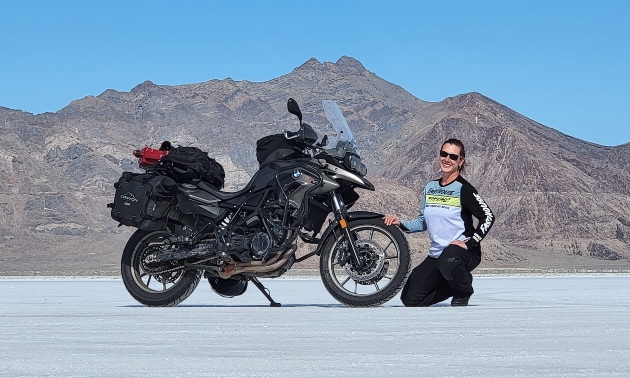
Honestly, seat time. There’s no substitute for it. I like to joke that I had my motorcycle license for about six minutes before heading out on an 11-day trip through BC. It was a crash course in everything! Climbs, descents, switchbacks, traffic, you name it. There were definitely moments I felt overwhelmed and questioned what I had gotten myself into. But I also had a strong support system and a great teacher who kept me going. By the time we got home, I wasn’t discouraged, I was already asking, “When can we go again?” That same mindset carried into the off-road world.
When I got to camp, I was suddenly riding almost every day, surrounded by great coaching and constant opportunities to improve. When you combine repetition with the right environment, your progress accelerates quickly. What I didn’t expect was how that growth would come full circle.
Before long, I found myself in a position where other women were looking to me for guidance. Somewhere along the way, I went from being the one learning, to the one coaching. And that’s been one of the most rewarding parts, being able to pass it on and show other women what’s possible when you just start.
What was the hardest skill for you to learn when you started riding off-road?
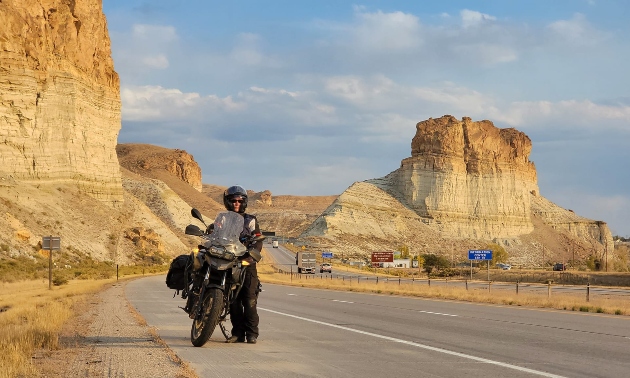
Trust. Both in the bike and in myself. Off-road riding is completely different from the street. The terrain is constantly changing, the bike moves in ways that feel unpredictable, and you don’t always feel in control, especially at the beginning. That was a big mental shift for me. I had to learn to trust that the bike was capable of handling more than I thought, and just as importantly, trust that I could respond to whatever the trail threw at me. There’s no autopilot in the dirt, you’re constantly reading the terrain, making decisions, and adjusting in real time. At first, that felt overwhelming. But over time, I realized that confidence doesn’t come from everything going perfectly, it comes from working through the moments when it doesn’t.
What’s one mistake you made early on that actually made you a better rider?
I learned to ride on a tall adventure bike, which, looking back, probably wasn’t the easiest way to start. I dropped it… a lot! And I’m very thankful for crash bars! At the time, it was frustrating and I struggled with the height and weight. But the reality was, I didn’t know any different. I had only ridden one other bike before that, so this just became my normal. What it did teach me, very quickly, was balance. I had to learn how to manage the bike as it was, not wish it was something else. And over time, that translated into confidence, both in handling a taller bike and in myself as a rider. Learning that way now means I can get on just about any bike and feel comfortable. I'm thankful for those struggles, it was part of the process that built the foundation for the rider I am today.
What was it like being offered the role of General Manager at WeRoam after just one season?
I hadn’t gone into that first season thinking about long-term opportunities. If anything, I saw it as a reset, a chance to step away from stress, do something completely different, and focus on building my riding skills. I even had a great job opportunity waiting for me back home. But as the season started to wind down, I found myself at a bit of a crossroads. The idea of going back to a 9-to-5 desk job became less and less appealing, while the pull to keep going, to continue saying yes to what was unfolding, got stronger. I knew that if I walked away, I’d always wonder what might have been. What made the decision clear was the bigger picture, sharing my passion for riding, creating life-changing experiences for other women, and leading motorcycle expeditions around the world. So I said yes and chose a life that keeps me moving, learning, and exploring.
What’s your approach to teaching riders who are in the same position you were not long ago?
One thing that really shapes my approach is how recent my own learning still feels. I’m not that far removed from what it’s like to be brand new, to feel unsure, overwhelmed, and hyper-aware of every movement the bike makes. When you’re starting out, everything feels amplified, and that can be intimidating. It’s easy to forget those early experiences over time, but for me, they’re still very fresh. That allows me to meet riders where they’re at. A lot of the women who come to camp are also stepping onto taller dual sport bikes for the first time, which can really push them out of their comfort zone. Early in the week, a big part of my approach while coaching on the trail is breaking things down in real time. Whether it’s body position, gear choice, or where to look. Most riders already know what to do, but when stress kicks in, it’s easy to forget. Hearing it clearly in the moment helps settle the mind so they can focus and execute. But just as important is what happens by the end of the week. My goal isn’t just to teach skills, it’s to help riders start trusting their own decisions. You can see the shift when it happens. They go from reacting to the bike to working with it, from second-guessing to making decisions on their own. And the change in 5 days is truly remarkable.
What’s the most rewarding part of helping someone else learn to ride off-road?
It’s watching their world open up as a rider. I love street riding and travelling by motorcycle, but once you leave the pavement, everything changes. The landscapes become bigger, the views more raw, the wildlife closer, you’re suddenly experiencing places you’d never reach otherwise. But beyond that, it’s the sense of accomplishment. Watching someone work through a challenging section they didn’t think they could do, and then seeing the sense of accomplishment. And it doesn’t just stay off-road. They go home as a more capable, more confident rider overall.
How did your experience riding in Vietnam compare to riding in Canada?
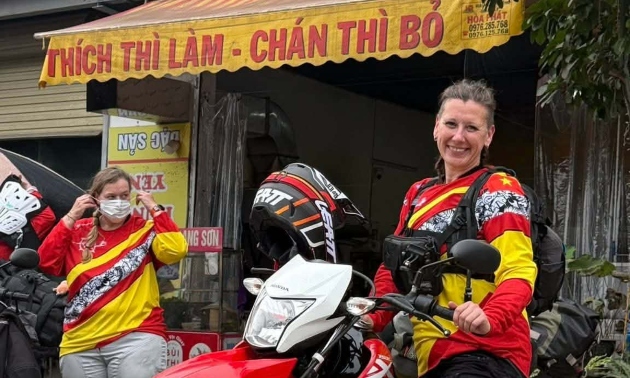
Nothing really prepares you for riding in the urban areas of Asia. You’re suddenly surrounded by millions of scooters, and it feels like organized chaos, or what I like to call traffic arenas! The instinct is to hesitate, but the best advice I could give is don’t stop. Everything works on flow and prediction, each rider reading the movement of others and adjusting in real time. It looks chaotic from the outside, but somehow, it works. And the advice that stuck with me from an experienced rider, is to flow like water. Once I leaned into that, everything started to make sense. But Vietnam isn’t just the cities. Rural Vietnam is incredible, riding narrow roads carved into steep, lush mountainsides, sometimes no wider than a bike path. You pass through small communities where kids run out to catch a glimpse of you and reach out for a high five.
It’s raw, it’s immersive, and it’s something you can’t fully experience any other way. That’s what makes travelling by motorcycle so powerful, it puts you right in the middle of it all. And it’s a big part of why I keep going. This year alone, I’ll be riding in Montenegro, Bosnia and Herzegovina, Croatia, and Thailand, continuing to explore different landscapes, cultures, and ways of riding around the world. Closer to home, I’ll also be tackling my first BDRs (Backcountry Discovery Route) through Idaho and Montana, which I’m really looking forward to.
What surprised you most about co-leading an all-women’s expedition abroad?
What surprised me most was how common it is for riders, regardless of how long they’ve been riding, to feel stuck in their progression. I’ve had a bit of an unconventional start and packed a lot of experience into a short period of time, but what I saw on these trips is that time in the saddle doesn’t always equal growth. It’s easy for riders, men and women alike, to fall into routines and stay within what feels comfortable.
At the same time, it really reinforced for me how much mindset matters. When you’re travelling and riding in unfamiliar environments, there’s a level of adaptability and openness that makes a huge difference, not just for your own experience, but for the group as a whole. The riders who were willing to stay curious and work through challenges, tended to get the most out of the trip. It was a good reminder that growth in riding isn’t just about skill, it’s about attitude, awareness, and a willingness to keep learning.
Is there a moment from one of your trips that really stayed with you?
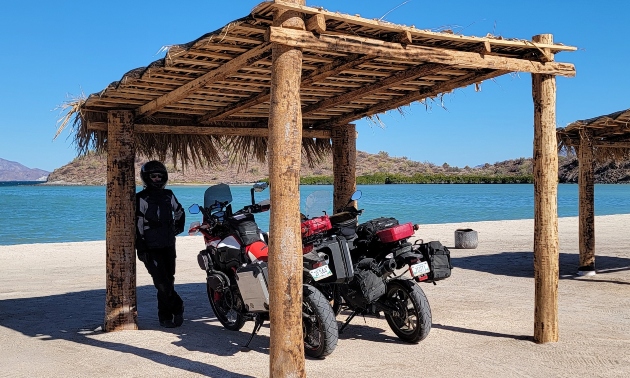
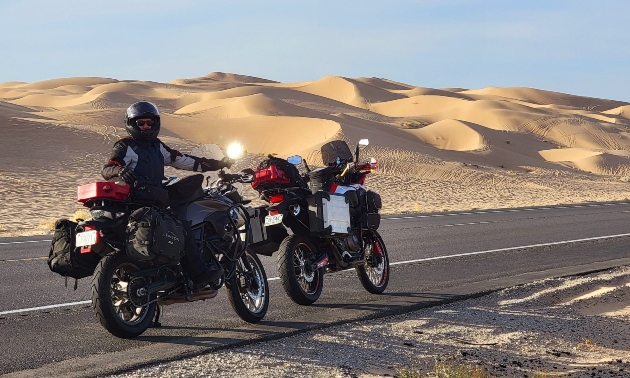
Baja, Mexico, will always hold a special place for me. It was my first time riding outside of Canada and the U.S., and the landscape completely blew me away. It felt like it was constantly changing, raw, vast, and unlike anything I had experienced before. But what really stayed with me wasn’t just the riding, it was everything around it. Travelling through rural areas, away from the tourist hotspots, gave me a completely different perspective. It allowed me to experience the country in a more authentic way, the people, the culture, the pace of life. The Mexican people were incredibly welcoming and kind, and to this day, I still think about the food! And if I’m being honest, it also shifted something in me. There’s often a lot of hesitation or fear around travelling to places like that, but not once did I feel unsafe.
That trip really sparked something, it opened my eyes to a different way of travelling and pushed me beyond the idea of sticking to resorts or what feels familiar.
What are your goals for the future?
I want to see as much of the world as I can, and I’m completely happy doing it from the seat of a motorcycle. Travel has become such a big part of my life, and riding has given me a way to experience places in a way that feels more real and connected. That’s something I want to keep doing, exploring new countries, new terrain, and continuing to grow through those experiences. Along the way, I’ve always shared my travels on social media, mostly as a way to document it for myself. But more recently, I’ve started hearing from people who follow along, telling me they look forward to the next post or the next story. That’s made me realize there’s an opportunity to do more with it. I’d like to be more intentional about sharing my experiences, not just the highlights, but the full journey, and see where that leads. If it inspires even one person to step outside their comfort zone and try something new, then it’s worth it.
Is there anything else you would like to share?
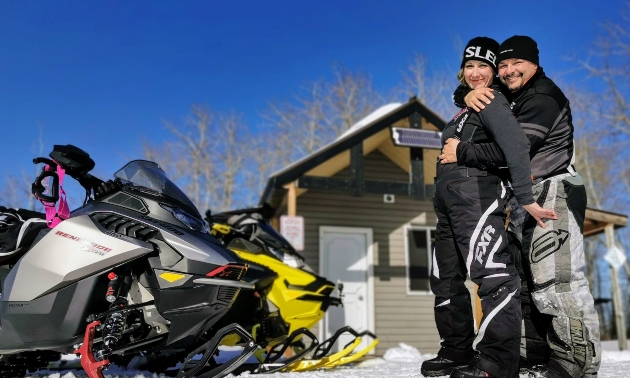
As I sit here, I’m reminded of another unforgettable adventure, this time by snowmobile to Churchill, Manitoba. Planned in a mere four days, four of us set out on an unguided journey into the Arctic, not entirely knowing what to expect, but knowing it would be something special. As we travelled north, you could feel the landscape changing. The trees got smaller, the terrain more open, and with that came a real sense of isolation. It’s a strange feeling, realizing there’s no civilization for miles and that if something goes wrong, you’re completely on your own. We were lucky with the weather, despite the cold, but we came prepared, fully ready to spend a night out there if we had to. The ride itself was incredible. Following the Deer River with towering snowbanks, pushing through the deepest snow I’ve ever seen as a prairie girl, then switching to long stretches under powerlines where we had to manage our speed to conserve fuel. But the moment that stands out most? Riding out onto the sea ice of Hudson Bay, walking through a shipwreck and later watching my travel companions eat Narwhal whale while we shared a beer inside a plane wreck. It was surreal, and completely unforgettable. And it’s a reminder that some of the best experiences come from saying yes to the unexpected, because that’s something you’ll never find on a beach at a resort!
Follow Cindy Young on Instagram @ccreek_girl to keep up with her latest adventures!




Comments